Fallen Angel: A Trendy Handwritten Font with Timeless Elegance
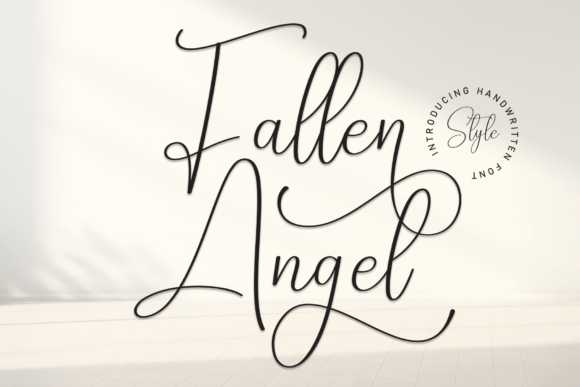
Fallen Angel is more than just a font—it’s a design statement. With its contemporary atmosphere and impeccable form, this trendy handwritten font brings a touch of classic calligraphy into modern digital spaces. Whether you're crafting logos, social media posts, or branding materials, Fallen Angel offers a unique blend of sophistication and creativity that can elevate your projects to new heights.
Why Fallen Angel Stands Out
What sets Fallen Angel apart from other fonts is its ability to balance elegance with approachability. Inspired by timeless classic calligraphy, it maintains a sense of refinement while still feeling fresh and modern. This makes it versatile enough to suit a wide range of applications—from sleek marketing materials to personal creative projects.
For designers, marketers, and content creators, Fallen Angel provides an easy way to add character and personality without sacrificing readability. Its fluid strokes and natural flow make it ideal for headlines, quotes, and other text elements where visual impact matters.
Common Mistakes When Using Fallen Angel
Despite its appeal, many users fall into common traps when working with Fallen Angel. Understanding these pitfalls can help you avoid costly mistakes and ensure your designs look their best.
- Overusing the font: Applying Fallen Angel to every element of a design can dilute its impact. It's best reserved for key text like titles, headers, or call-to-action buttons.
- Ignoring font pairing: Fallen Angel works well with clean, modern sans-serif fonts. Pairing it with something too bold or ornate can create visual clutter.
- Not considering readability: While visually appealing, Fallen Angel may not be the best choice for long blocks of text. Always test how it looks in context.
- Using it without proper licensing: Many fonts, including Fallen Angel, require a license for commercial use. Failing to check this can lead to legal issues.
- Overlooking file formats: Ensure you're using the correct format (e.g., OTF, TTF) for your project. Some platforms may not support all types.
How These Mistakes Can Affect Your Work
Using Fallen Angel incorrectly can have several negative consequences. Overuse can make your design feel unprofessional or chaotic. Poor font pairing can reduce legibility and weaken your message. Legal issues from improper licensing can damage your brand’s reputation and result in financial penalties.
Additionally, poor file formatting can cause technical problems, such as fonts not displaying correctly on different devices or platforms. This can frustrate users and harm your overall user experience.
Practical Tips for Using Fallen Angel Effectively
To get the most out of Fallen Angel, follow these simple yet effective strategies:
- Use it strategically: Save Fallen Angel for headlines, logos, or short phrases. Use a more readable font for body text.
- Pair it wisely: Combine Fallen Angel with a clean, modern sans-serif font like Helvetica or Montserrat for contrast and balance.
- Test readability: Always preview your design in different sizes and formats to ensure clarity and consistency.
- Check licensing requirements: Before using Fallen Angel commercially, verify the license terms to avoid any legal complications.
- Optimize file formats: Choose the right format based on your project needs—OTF for advanced typographic features, TTF for compatibility, and WOFF for web use.
Realistic Examples and Better Approaches
Imagine you're designing a logo for a boutique café. Instead of applying Fallen Angel to the entire name, use it only for the main word—like "Café" —and pair it with a simple sans-serif font for the subtitle. This creates visual hierarchy and ensures your message is clear and professional.
Another example is a blog post header. Using Fallen Angel for the title adds a touch of elegance, but switching to a more readable font for the body text improves user engagement and reduces eye strain.
What to Check Before Using Fallen Angel
Before finalizing your design, take a moment to review these key points:
- Font suitability: Is Fallen Angel the right choice for your project? Does it align with your brand identity and target audience?
- Readability: How does the font look at different sizes and on various screens? Can it be easily read by all users?
- Licensing compliance: Are you using the font within the allowed scope of your license? Do you need a commercial license for your intended use?
- File compatibility: Are you using the correct file format for your platform or software? Will the font display consistently across all devices?
- Design balance: Does the font complement other design elements, or does it overpower them? Is there a sense of harmony and cohesion?
By carefully evaluating these factors, you can ensure that Fallen Angel enhances your design rather than detracts from it.