Bigday: A Handwritten Font with Timeless Elegance
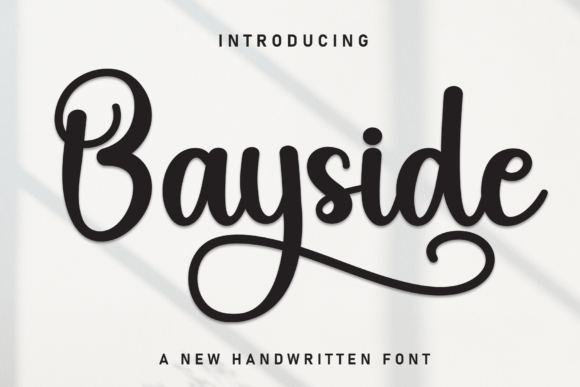
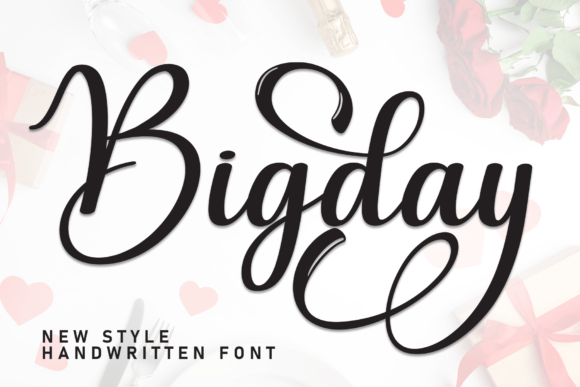
Bigday is more than just a font—it’s a design statement. Inspired by classic calligraphy, this trendy handwritten font brings a contemporary and refined touch to any project. Whether you're designing for print, digital media, or branding, Bigday offers a unique blend of elegance and approachability that can elevate your work without sacrificing readability.
Why Bigday Stands Out in the Font World
What sets Bigday apart is its ability to balance modern aesthetics with traditional craftsmanship. The font's fluid lines and organic curves evoke the charm of handwritten notes, while its clean structure ensures it remains legible at smaller sizes. This makes it ideal for everything from social media graphics to invitations, logos, and even book covers.
Its versatility is another key strength. Bigday works well in both uppercase and lowercase forms, making it adaptable to various design needs. It also supports multiple languages, which is especially valuable for creators targeting global audiences.
Common Mistakes When Choosing and Using Bigday
While Bigday is a powerful tool, many users make mistakes when selecting or applying it. Understanding these pitfalls can help you avoid common issues and ensure your designs look their best.
Mistake 1: Not Checking Font Compatibility
One of the most overlooked aspects of using Bigday is ensuring it works across different platforms and software. While the font is available in most design tools like Adobe Illustrator and Photoshop, it may not render correctly in all applications or on certain devices.
Example: A designer might create a stunning poster in Illustrator but find that the text appears jagged or distorted when exported as a PDF or shared online. This can be frustrating and impact the final presentation.
Better Approach: Always test Bigday in the environment where it will be used. If you're unsure, opt for a web-safe alternative or use a font embedding service to ensure consistency.
Mistake 2: Ignoring Readability at Smaller Sizes
Despite its elegant design, Bigday can become difficult to read at very small sizes. This is especially important for body text in websites, documents, or mobile apps.
Example: A blogger might use Bigday for headings but then apply it to paragraph text, resulting in a cluttered and hard-to-read layout.
Better Approach: Use Bigday primarily for headlines, titles, and accents. For body text, pair it with a more readable sans-serif or serif font to maintain clarity and accessibility.
Mistake 3: Overlooking Licensing Restrictions
Many fonts, including Bigday, come with specific licensing terms. Some are free for personal use only, while others require purchase for commercial projects.
Example: A small business owner might use Bigday on their website without realizing it’s not licensed for commercial use, leading to potential legal issues.
Better Approach: Always review the license agreement before using Bigday in any professional or public-facing context. If in doubt, invest in a premium version or choose a font with clear commercial rights.
How to Choose the Right Version of Bigday
Bigday comes in several variations, each tailored for different purposes. Understanding the differences can help you select the right one for your project.
- Bigday Regular: Ideal for general use, offering a balanced mix of style and readability.
- Bigday Bold: Perfect for headers, logos, and eye-catching elements.
- Bigday Italic: Adds a subtle flair for quotes, captions, and decorative text.
- Bigday Script: Best suited for invitations, wedding cards, and other formal or artistic applications.
When choosing a variation, consider the tone and purpose of your design. For example, a bold version might be more appropriate for a marketing campaign, while an italic version could enhance the visual appeal of a blog post.
Practical Tips for Using Bigday Effectively
To get the most out of Bigday, follow these practical tips:
- Pair with Complementary Fonts: Combine Bigday with a contrasting typeface for better contrast and balance. For instance, use it alongside a clean sans-serif like Helvetica or a classic serif like Times New Roman.
- Use It Sparingly: Don’t overuse Bigday. Save it for highlights, quotes, and key phrases to maintain its impact.
- Test on Different Devices: Ensure Bigday looks good on all screens, including mobile and tablets. Adjust sizing and spacing if needed.
- Explore Customization Options: Some versions of Bigday allow for customization, such as adjusting stroke width or letter spacing. Experiment to find the perfect fit for your project.
By following these guidelines, you can maximize the potential of Bigday and create visually appealing, professional-looking designs.
Final Thoughts on Bigday
Bigday is a fantastic choice for designers looking to add a touch of elegance and personality to their work. Its blend of classic calligraphy and modern design makes it versatile enough for a wide range of applications. However, like any font, it requires thoughtful use to achieve the best results.
By avoiding common mistakes and understanding how to use Bigday effectively, you can unlock its full potential and create designs that stand out. Whether you're a beginner or a seasoned professional, Bigday has something to offer—and with the right approach, it can become a valuable asset in your creative toolkit.