Eastin Hikary: A Modern Handwritten Script Font with Contemporary Elegance
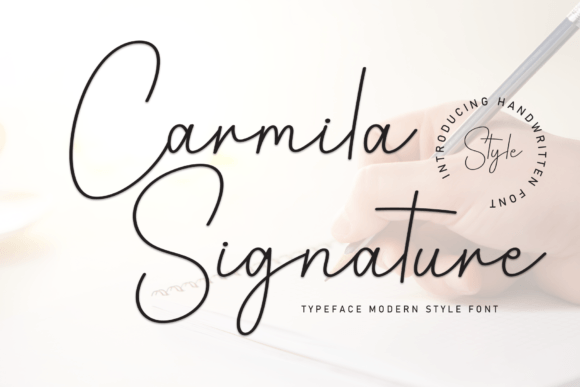
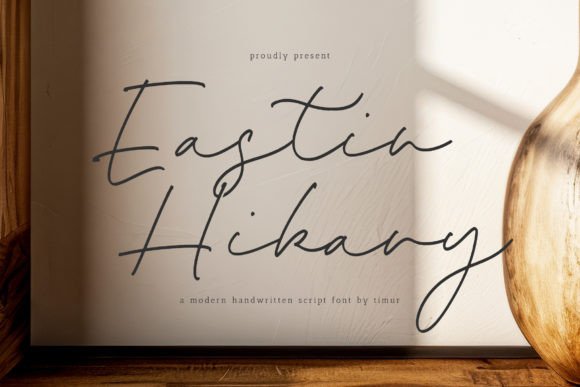
Eastin Hikary is a modern handwritten script font that stands out for its sleek monoline design and clean, flowing lines. This font blends contemporary elegance with a personal touch, offering a refined yet approachable aesthetic that suits both professional and creative projects. Its balanced strokes and graceful curves make it a versatile choice for designers, writers, and anyone looking to add a unique visual element to their work.
What Makes Eastin Hikary Unique?
Unlike many traditional script fonts that can feel overly ornate or outdated, Eastin Hikary offers a fresh take on the handwritten style. The monoline construction ensures uniformity in stroke thickness, which contributes to its modern appeal. This design choice makes it easier to read at a glance while maintaining the charm of a handcrafted look.
The font’s flowing lines are carefully crafted to create a sense of movement and fluidity. Whether used in headings, body text, or decorative elements, Eastin Hikary maintains a consistent rhythm that enhances readability without sacrificing style. This balance between aesthetics and functionality is one of its key strengths.
Another notable feature is the font’s adaptability. It works well across various mediums, from digital platforms like websites and social media to print materials such as invitations, logos, and branding assets. This versatility makes it a valuable tool for designers who need a font that can perform in multiple contexts.
Comparing Eastin Hikary with Similar Options
When evaluating Eastin Hikary against other script fonts, it’s important to consider how it stacks up in terms of design philosophy, usability, and application. While there are many excellent script fonts available, Eastin Hikary distinguishes itself through its minimalist approach and contemporary feel.
Fonts like Cursive or Script MT Bold are more traditional in nature, often featuring thicker strokes and more elaborate flourishes. These fonts may be ideal for vintage or formal designs but can sometimes feel less modern. In contrast, Eastin Hikary’s streamlined design makes it better suited for projects that require a fresh, modern look without compromising readability.
For those seeking a more stylized option, fonts like Great Vibes or Alfa Slab One offer bold, expressive letterforms. However, these can be harder to read in larger blocks of text. Eastin Hikary strikes a middle ground, offering enough character to stand out while remaining legible in most contexts.
Additionally, Eastin Hikary is well-suited for use in digital environments where performance and loading speed matter. Many script fonts can be resource-intensive, especially when used in large quantities or on high-resolution displays. Eastin Hikary’s clean structure and optimized file size make it a practical choice for web developers and content creators alike.
Strengths and Tradeoffs
One of the primary strengths of Eastin Hikary is its ability to convey both professionalism and personality. It’s particularly effective in branding scenarios where a brand needs to appear both approachable and sophisticated. For example, a boutique fashion label might use Eastin Hikary in their logo to reflect a sense of style and individuality.
Another advantage is its scalability. The font performs well at different sizes, making it suitable for both small text elements and large headlines. This flexibility allows designers to use it consistently across various design elements without worrying about legibility issues.
However, like any font, Eastin Hikary has its limitations. It may not be the best choice for long-form content due to its stylistic nature. While it reads well in short passages, extended use in body text could lead to reader fatigue. For this reason, it’s often recommended to pair Eastin Hikary with a more neutral sans-serif or serif font for longer documents.
Additionally, while Eastin Hikary offers a modern aesthetic, it may not be the most versatile option for those who prefer a wider range of stylistic variations. If a project requires a more dynamic or varied script, other fonts with more intricate details might be more appropriate.
Best-Fit Situations for Using Eastin Hikary
Eastin Hikary is an excellent choice for a variety of applications, depending on the desired outcome. Here are some common use cases where this font shines:
- Branding and Logo Design: Its elegant and modern appearance makes it ideal for creating logos, taglines, and brand identities that exude sophistication and creativity.
- Social Media Content: When designing graphics, posts, or banners for platforms like Instagram or Facebook, Eastin Hikary adds a stylish touch that aligns with current design trends.
- Wedding Invitations and Stationery: The font’s flowing lines and clean structure make it perfect for crafting elegant wedding cards, save-the-dates, and other event-related materials.
- Product Packaging: Brands looking to differentiate themselves in competitive markets can use Eastin Hikary to create visually appealing packaging that stands out on shelves.
- Website Headings: As a web font, Eastin Hikary can enhance the visual hierarchy of a website by adding a touch of personality to headers and call-to-action buttons.
In each of these scenarios, Eastin Hikary provides a balance between style and functionality, ensuring that the design remains both attractive and readable.
When to Consider Alternatives
While Eastin Hikary is a strong option in many situations, there are instances where alternative fonts may be more suitable. For example, if the goal is to create a more dramatic or artistic effect, a font like Bangers or Rockwell might be preferable. These fonts offer bolder, more expressive letterforms that can add intensity to a design.
On the other hand, if the focus is on clarity and minimalism, a sans-serif font like Arial or Helvetica could be a better fit. These fonts are highly legible and widely supported, making them ideal for technical documentation, reports, and other content that prioritizes readability over visual flair.
Ultimately, the choice of font depends on the specific needs of the project. Eastin Hikary excels in scenarios where a modern, elegant script is needed, but it’s important to evaluate whether its characteristics align with the overall goals of the design.
Conclusion
Eastin Hikary is a modern handwritten script font that offers a unique blend of style and functionality. Its sleek monoline design, clean lines, and graceful curves make it a versatile choice for a wide range of applications. While it may not be the best fit for every project, it excels in situations where a contemporary, elegant script is required.
By understanding its strengths, limitations, and best-fit scenarios, designers and content creators can make informed decisions about when to use Eastin Hikary and when to explore other options. Whether for branding, social media, or creative projects, Eastin Hikary provides a compelling solution that balances aesthetics with practicality.