October: A Handwritten Font with Heart and Character
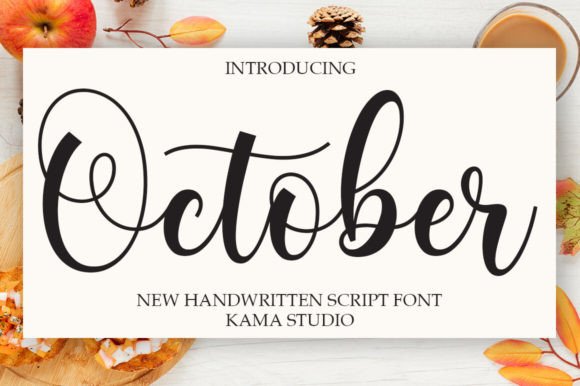
October is more than just a font—it’s a visual expression of warmth, personality, and authenticity. Designed to evoke the cozy, inviting spirit of autumn, this handwritten font brings a unique charm to any design project. Its whimsical strokes and varied letterforms make it stand out in a world where digital fonts often feel sterile or generic. Whether you're crafting a greeting card, designing an invitation, or building a brand identity, October adds a personal touch that feels both genuine and timeless.
What Makes October Unique?
At its core, October is a handwritten font, which means it carries the imperfections and character of real handwriting. This isn’t just aesthetic—it’s intentional. The font features irregularities in stroke weight, spacing, and letter shape that give it a sense of movement and individuality. These subtle variations create a feeling of warmth and intimacy, making it ideal for messages that need to convey emotion and connection.
Compared to other handwritten fonts, October stands out for its balanced approach to style. While some fonts are overly ornate or difficult to read, October maintains clarity without sacrificing charm. It’s designed to be legible at a glance while still retaining the handcrafted feel that makes it special. This balance is particularly important for use in print materials like invitations or thank-you notes, where readability is key.
The font also has a natural flow that mimics how people write by hand. This makes it especially well-suited for longer texts, such as letters or social media posts. Unlike some fonts that feel rigid or mechanical, October moves with the rhythm of written language, making it feel more human and relatable.
How Does October Compare to Other Handwritten Fonts?
When evaluating October, it’s helpful to consider how it stacks up against other popular handwritten fonts. While there are many options available, October offers a distinct advantage in terms of readability and versatility.
For example, fonts like Bauhaus 93 or Comic Sans MS are often used for casual or playful designs, but they lack the organic feel of a true handwritten font. They can come across as too stylized or even unprofessional in certain contexts. In contrast, October strikes a middle ground—offering a warm, personal look without compromising on clarity.
Fonts such as Serif or Arial are excellent for professional settings, but they lack the personality that makes October so appealing. If your goal is to create a sense of connection or nostalgia, October is likely the better choice. However, if you’re looking for something more formal or structured, these traditional fonts might be more appropriate.
Another consideration is font pairing. While October works beautifully on its own, it can also complement other fonts in a design. For instance, using October for headings and a clean sans-serif font for body text can create a striking contrast that highlights the personality of the handwritten elements.
Strengths and Tradeoffs of Using October
Like any font, October has its strengths and limitations. One of its greatest strengths is its ability to convey emotion and personality. Whether you’re writing a heartfelt message or designing a branding package, October adds a layer of warmth and authenticity that other fonts struggle to match.
It also excels in creative applications. From wedding invitations to seasonal marketing materials, October has a wide range of use cases. Its design is particularly effective for projects that aim to evoke a sense of nostalgia or community, such as holiday cards or local event promotions.
However, there are situations where October may not be the best choice. Because it’s a handwritten font, it can be less suitable for large-scale print or digital displays where consistency and uniformity are important. Additionally, its irregularity in stroke weight and spacing means it may not always render perfectly across different platforms or devices.
Another tradeoff is readability in smaller sizes. While October looks great in larger formats, it can become difficult to read when scaled down. This makes it less ideal for use in web headers or mobile interfaces where text size is often constrained.
When Is October the Right Choice?
October is an excellent choice when you want to create a personal and emotional connection with your audience. It’s particularly well-suited for projects that emphasize warmth, authenticity, and creativity. Consider using October in the following scenarios:
- Handwritten-style invitations for weddings, birthdays, or special events.
- Greeting cards that require a heartfelt, personalized touch.
- Branding materials that aim to reflect a company’s values of warmth and individuality.
- Seasonal or holiday-themed content, such as fall greetings or autumn marketing campaigns.
- Personal blogs or social media posts that want to feel more authentic and engaging.
In these contexts, October can help your message stand out and resonate more deeply with your audience. Its unique character makes it ideal for projects where visual storytelling is a priority.
Alternatives to Consider
If October doesn’t quite fit your needs, there are several alternatives worth exploring. Each has its own strengths and is suited to different purposes:
- Cursive: A classic handwritten font that offers a more refined and elegant look. It’s ideal for formal or sophisticated designs.
- Script: Similar to cursive, but with a more decorative flair. Best for creative or artistic projects.
- Brush Script: Known for its bold, expressive strokes. Great for eye-catching headlines or promotional materials.
- Playfair Display: A serif font with a handcrafted feel. Suitable for both print and digital use, especially in editorial or branding contexts.
- Great Vibes: A modern, stylized font that blends elegance with playfulness. Perfect for fashion or lifestyle branding.
Each of these fonts has its own unique characteristics, so it’s important to choose one that aligns with your specific goals and audience. October remains a strong contender for those who value warmth and personality, but it’s always wise to explore alternatives to find the best fit for your project.
Conclusion
October is a font that brings warmth, personality, and authenticity to every design it touches. Its unique combination of readability and charm makes it a versatile choice for a wide range of applications. Whether you’re creating a personal message or designing a brand, October offers a level of connection that is hard to replicate with other fonts.
Ultimately, the decision to use October depends on your specific needs and the message you want to convey. By understanding its strengths, limitations, and best-fit scenarios, you can make an informed choice that enhances your design and resonates with your audience.