Aesthetic Monoline: Enhancing Design Workflows with a Timeless Script Font
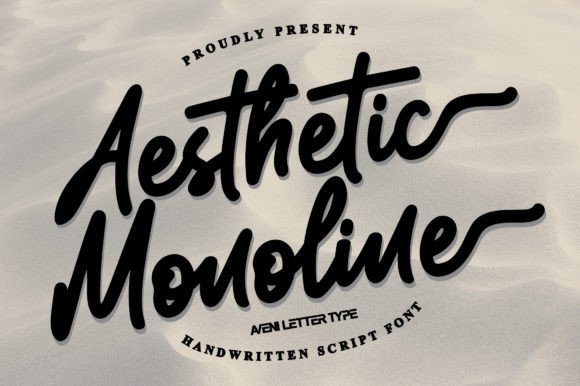
Aesthetic Monoline is a bold and elegant monoline handwritten script font that brings a touch of personalization and artistry to a wide range of design projects. Its clean, flowing lines and consistent stroke width make it versatile for both digital and print applications. Whether you're crafting wedding invitations, designing thank you cards, or creating logos, Aesthetic Monoline offers a refined aesthetic that complements a variety of creative needs.
Understanding the Role of Aesthetic Monoline in Design Processes
In the world of graphic design, typography plays a crucial role in shaping the visual identity of a project. Aesthetic Monoline stands out as a font that balances elegance with simplicity, making it an ideal choice for designers looking to add a unique flair without sacrificing readability.
This font is particularly useful during the initial stages of a project when brainstorming and concept development are key. Its handwritten style can help convey a sense of warmth and authenticity, which is especially valuable in branding and marketing materials. For instance, using Aesthetic Monoline on a logo can immediately communicate a brand's personality—whether it's sophisticated, artistic, or approachable.
Where Aesthetic Monoline Fits Into Workflow
The integration of Aesthetic Monoline into a design workflow depends on the specific goals of the project. It can be used before, during, or after various phases of a creative process. Here are some practical examples:
- Before the Project: When planning a new campaign or product launch, Aesthetic Monoline can be used in mood boards or concept sketches to set the tone visually.
- During the Project: As part of the design phase, this font can be applied to headlines, titles, or call-to-action elements to guide the viewer’s attention and enhance readability.
- After the Project: In post-launch materials such as social media graphics or promotional content, Aesthetic Monoline can maintain brand consistency while adding a decorative element.
Its PUA encoding also makes it a valuable asset for designers who need access to all glyphs and ligatures. This feature ensures that even complex characters or special symbols can be easily incorporated, expanding the font's usability across different platforms and formats.
Practical Implementation Tips for Using Aesthetic Monoline
Successfully integrating Aesthetic Monoline into your workflow requires a few key considerations. First, ensure that the font is compatible with your design software and operating system. Most modern design tools like Adobe Illustrator, Photoshop, and Canva support a wide range of fonts, including those with PUA encoding.
Second, consider the context in which the font will be used. While Aesthetic Monoline is beautiful, it may not always be the best choice for body text due to its script nature. Instead, use it strategically for headings, titles, or decorative elements where its elegance can shine.
Third, maintain consistency throughout your project. If you're using multiple fonts, Aesthetic Monoline should complement rather than compete with others. Pairing it with a clean sans-serif font for body text can create a balanced and professional look.
Workflow Examples and Use Cases
Let’s explore how Aesthetic Monoline can fit into real-world workflows:
- Wedding Invitations: Aesthetic Monoline can be used for the main heading and event details, adding a romantic and personalized touch to the invitation design.
- Thank You Cards: This font is perfect for expressing gratitude in a warm and elegant manner, making it ideal for custom greeting cards.
- Logo Design: The bold and elegant strokes of Aesthetic Monoline can serve as the foundation for a brand's visual identity, especially in industries that value creativity and craftsmanship.
- Social Media Graphics: Incorporating Aesthetic Monoline into social media posts can help reinforce brand voice and create a cohesive visual style across platforms.
These examples demonstrate how Aesthetic Monoline can be adapted to fit different stages of a project, whether it's conceptualizing, executing, or refining the final output.
Interacting with Other Tools and Resources
Aesthetic Monoline works well with a variety of design tools and resources. When using it in vector-based software like Adobe Illustrator, you can take full advantage of its PUA encoding to access all available glyphs and customize the font to suit your needs.
If you're working on web projects, ensure that the font is properly embedded or hosted to maintain quality and consistency across different devices and browsers. Tools like Google Fonts or custom font hosting services can help streamline this process.
Additionally, consider how Aesthetic Monoline interacts with other design assets such as color schemes, layouts, and imagery. A well-chosen color palette can enhance the font's visual impact, while thoughtful layout choices can ensure that the text remains readable and engaging.
Factors to Consider for Long-Term Use
When evaluating the long-term use of Aesthetic Monoline, several factors come into play:
- Preparation: Before incorporating the font into your workflow, familiarize yourself with its characteristics and limitations to avoid unexpected issues.
- Compatibility: Ensure that the font works seamlessly with your chosen tools and platforms to prevent any technical hurdles.
- Usability: Test the font in different contexts to determine if it meets your design goals and enhances user experience.
- Organization: Keep track of font usage across projects to maintain consistency and avoid confusion.
- Efficiency: Use the font judiciously to maximize its impact without overcomplicating your design.
- Consistency: Maintain a uniform application of the font to reinforce brand identity and visual coherence.
- Quality Control: Regularly review how the font performs in different environments to ensure it continues to meet your standards.
- Long-Term Use: Evaluate whether the font remains relevant and effective as your design projects evolve over time.
By addressing these factors, you can ensure that Aesthetic Monoline remains a valuable asset in your design toolkit for years to come.