Montessori: A Timeless Approach to Learning and Design
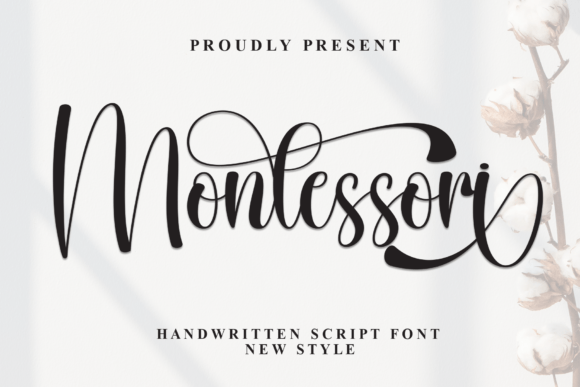
When it comes to education, the Montessori method stands out as a powerful and enduring philosophy that prioritizes independence, creativity, and self-directed learning. But beyond its educational roots, the term "Montessori" has also become synonymous with a stylish handwritten script font that exudes elegance and charm. This font, with its flowing, graceful curves and delicate strokes, brings warmth and creativity to any design project. Whether you're crafting invitations, logos, or branding materials, the Montessori font adds a personal and sophisticated touch that can elevate your visual communication.
What Is Montessori?
The Montessori method was developed by Italian physician and educator Dr. Maria Montessori in the early 20th century. It is an educational approach that emphasizes hands-on learning, self-directed activity, and collaborative play. Unlike traditional classroom settings, Montessori environments encourage children to explore their interests at their own pace, fostering a deep sense of curiosity and intrinsic motivation.
At its core, the Montessori philosophy believes that every child has unique potential and should be given the freedom to develop at their own speed. Teachers act as guides rather than instructors, creating spaces where children can learn through experience, observation, and interaction with their environment.
Challenges and Needs in Modern Learning Environments
Today's educational landscape presents a variety of challenges, from over-scheduled childhoods to a lack of personalized attention in large classrooms. Many parents and educators are seeking alternative approaches that prioritize individual growth and holistic development. The Montessori method offers a compelling solution by placing the child at the center of the learning process.
Additionally, there's a growing demand for design elements that reflect authenticity, warmth, and personalization. In a world dominated by digital interfaces and rigid typography, the Montessori font provides a refreshing contrast. Its organic, handwritten style resonates with those who value creativity, artistry, and a human touch in their visual communication.
How Montessori Can Help Address These Needs
The Montessori method addresses the need for a more personalized and engaging learning experience by allowing children to take ownership of their education. Instead of following a rigid curriculum, students choose activities that align with their interests and abilities. This not only enhances engagement but also promotes critical thinking, problem-solving, and emotional intelligence.
Similarly, the Montessori font caters to the desire for expressive and meaningful design. Its elegant curves and fluid lines make it ideal for projects that require a touch of sophistication and personality. Whether you're designing wedding invitations, business cards, or promotional materials, this font can help convey a sense of warmth and individuality that resonates with your audience.
Practical Applications and Outcomes
In educational settings, the Montessori method leads to improved focus, confidence, and long-term academic success. Students who learn in Montessori environments often demonstrate greater independence, creativity, and social skills. These outcomes are supported by extensive research showing that Montessori students tend to perform well academically and emotionally compared to their peers in traditional schools.
For designers and creatives, the Montessori font offers a versatile tool for enhancing visual storytelling. Its soft, flowing nature makes it particularly effective for branding, stationery, and artistic projects. When used thoughtfully, this font can create a strong visual identity that reflects both professionalism and personality.
Considerations for Implementation
While the Montessori method and font each have distinct applications, they share a common emphasis on individuality and creativity. When implementing either, it's important to consider the context and audience. For example, in a classroom setting, teachers must ensure that the Montessori approach is adapted to meet the specific needs of their students. Similarly, when using the Montessori font, designers should consider readability, especially in smaller sizes or across different platforms.
It's also worth noting that the Montessori method may not be suitable for all educational settings. While it excels in environments that support student autonomy and exploration, it requires trained educators and a dedicated space that fosters independent learning. Likewise, the Montessori font may not always be the best choice for formal or technical documents where clarity and precision are paramount.
Approaching the Topic Differently
For parents and educators, the Montessori method offers a pathway to nurturing well-rounded, self-aware individuals. It encourages a lifelong love of learning and helps children develop the skills needed to navigate an ever-changing world. For designers, the Montessori font provides a creative tool that can enhance the visual appeal of various projects while maintaining a sense of authenticity.
Ultimately, whether you're exploring the Montessori educational philosophy or considering the use of the Montessori font, the key lies in understanding how these elements can serve your specific goals. By aligning your choices with your values and needs, you can create meaningful experiences that resonate on both an intellectual and emotional level.