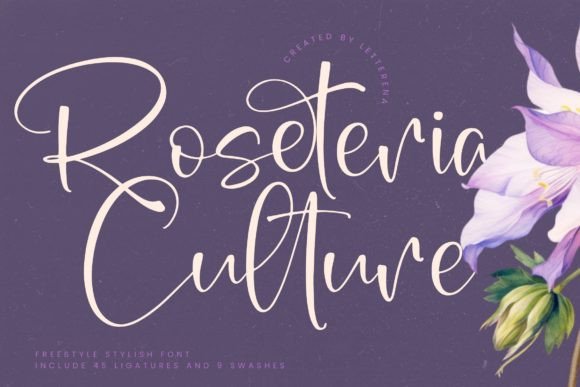
Discover the Elegance of Roseteria Culture: A Modern Handwritten Font for Chic Design
In a world where visual design plays a crucial role in communication, choosing the right font can make all the difference. Roseteria Culture is a modern and charming handwritten font that exudes elegance and personality. With its graceful, flowing strokes and sophisticated character, it brings a unique warmth and sophistication to any project. Whether you're designing invitations, branding materials, or editorial content, Roseteria Culture offers a refined aesthetic that stands out while maintaining readability and style.
What Is Roseteria Culture?
Roseteria Culture is more than just a font—it's a design philosophy that blends the organic beauty of handwriting with the precision of modern typography. Inspired by elegant calligraphy and contemporary design trends, this font features soft curves, delicate embellishments, and a balanced structure that feels both personal and professional. Its versatility allows it to adapt seamlessly to various design contexts, making it an ideal choice for those who want to add a touch of artistry without compromising on clarity.
The name "Roseteria Culture" evokes a sense of refinement and cultural richness, reflecting the font’s ability to convey both sophistication and approachability. It is particularly well-suited for creative industries such as graphic design, fashion, and lifestyle publishing, where visual appeal is key to capturing attention and conveying brand identity.
Why Choose Roseteria Culture?
When selecting a font, it's essential to consider how it aligns with your project's goals and audience. Roseteria Culture addresses several common challenges faced by designers and creators:
- Limited font variety: Many fonts are either too formal or too casual, leaving little room for nuance. Roseteria Culture bridges this gap by offering a balance between elegance and approachability.
- Readability concerns: Handwritten fonts can sometimes be difficult to read at smaller sizes. Roseteria Culture maintains excellent legibility, even when used in body text or headings.
- Brand consistency: Finding a font that reflects a brand's personality while remaining versatile can be challenging. Roseteria Culture supports a wide range of applications, from high-end invitations to digital marketing assets.
By addressing these challenges, Roseteria Culture becomes a valuable tool for designers looking to enhance their visual storytelling. Its warm and inviting nature makes it especially effective for projects targeting adult audiences who appreciate both aesthetics and functionality.
Practical Applications of Roseteria Culture
Roseteria Culture is incredibly adaptable, making it suitable for a variety of design scenarios:
Upscale Invitations
For weddings, galas, or exclusive events, Roseteria Culture adds a touch of sophistication that elevates the overall experience. Its elegant strokes create a sense of exclusivity and charm, making it perfect for event invitations, place cards, and signage.
Personal Branding
Whether you're launching a new business or building your personal brand, Roseteria Culture helps establish a memorable and visually appealing identity. It works well for logos, social media headers, and website headers, allowing your brand to stand out in a crowded digital landscape.
Chic Editorial Designs
Magazines, blogs, and lifestyle publications often require fonts that are both stylish and readable. Roseteria Culture fits this need perfectly, offering a refined look that complements editorial content without overshadowing the message.
Digital Content
With the rise of digital platforms, having a font that looks great both on screen and in print is essential. Roseteria Culture performs exceptionally well across different mediums, ensuring consistent visual quality whether you're designing for websites, emails, or printed materials.
Considerations for Using Roseteria Culture
While Roseteria Culture is a powerful design asset, there are a few considerations to keep in mind:
- Contrast with background: To ensure optimal readability, pair Roseteria Culture with a background that provides sufficient contrast. Light backgrounds with dark text or vice versa work best.
- Font pairing: While Roseteria Culture can be used as a primary font, it’s often enhanced by pairing it with a complementary sans-serif or serif font for headings or body text.
- Use in digital formats: When using Roseteria Culture in digital content, always ensure that the font is properly embedded or licensed to avoid issues with display or copyright.
By being mindful of these factors, you can maximize the impact of Roseteria Culture in your designs while maintaining professionalism and clarity.
How Different Users Might Approach Roseteria Culture
Depending on the user's needs and expertise, the way they incorporate Roseteria Culture into their work may vary:
- Graphic designers: They might use Roseteria Culture as part of a larger design system, integrating it with other fonts and design elements to create cohesive branding materials.
- Freelancers and small business owners: These users may prioritize ease of use and versatility, leveraging Roseteria Culture for quick, impactful design solutions that reflect their brand’s personality.
- Content creators: They might focus on how Roseteria Culture enhances the visual appeal of their posts, newsletters, or videos, helping to engage their audience more effectively.
Regardless of the approach, the key is to use Roseteria Culture in a way that aligns with your goals and resonates with your audience.
Conclusion
Roseteria Culture is more than just a font—it's a design solution that combines elegance, personality, and practicality. By understanding its strengths and limitations, you can harness its potential to elevate your projects and create a lasting impression. Whether you're designing for print, digital, or social media, Roseteria Culture offers a refined and warm aesthetic that speaks to both style and substance.