Fathers History Font: A Quirky Choice for Creative Projects
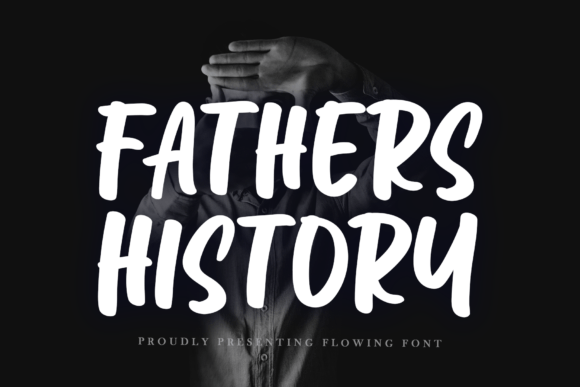
When it comes to choosing the right font for your design projects, the Fathers History font stands out as a unique and charming option. This handwritten, quirky, and fun typeface is perfect for those looking to add a personal touch to their work. Whether you're creating invitations, greeting cards, or digital content, Fathers History can bring a sense of warmth and character to your designs.
What Makes Fathers History Unique?
Fathers History is more than just a font—it's a style that tells a story. Its handwritten appearance gives it a personalized feel, making it ideal for projects that require a friendly and approachable tone. The font’s playful curves and irregular spacing make it visually engaging, especially when used on cheerful topics like birthdays, holidays, or family events.
One of the standout features of Fathers History is its PUA encoding. This means that users can access all the glyphs and ligatures within the font without any extra setup or technical know-how. This makes it particularly useful for designers who want to explore different variations of the font without needing to purchase additional fonts or software.
The Value of a Handwritten Font
In a world dominated by digital typography, having access to a handwritten font like Fathers History adds a human element to your designs. It helps create a more personalized and memorable experience for your audience. For example, if you're designing a children's book or a birthday card, using this font can evoke a sense of nostalgia and charm that machine-generated fonts often lack.
Additionally, the Fathers History font is well-suited for children's themed designs. Its whimsical nature aligns perfectly with playful themes, making it an excellent choice for educational materials, party invitations, or craft projects aimed at younger audiences.
Where Can You Use Fathers History?
Fathers History is incredibly versatile and can be used in a variety of contexts:
- Wedding Invitations: Add a personal touch to your wedding stationery with this fun and quirky font.
- Children’s Books: Use Fathers History to create a warm and inviting reading experience for young readers.
- Marketing Materials: Incorporate the font into your branding or promotional content to stand out from the crowd.
- Event Posters: Make your event announcements more eye-catching and memorable with this distinctive typeface.
- Digital Content: Use Fathers History in blog posts, social media graphics, or website headers to add a creative flair.
Whether you're working on a small project or a large-scale design, Fathers History can help elevate your visual storytelling and make your content more engaging.
Who Benefits From Using Fathers History?
Fathers History is ideal for a wide range of users, including:
- Graphic Designers: Looking for a unique font that adds personality to their work.
- Business Owners: Wanting to create a more relatable brand identity.
- Content Creators: Seeking to differentiate their content with a distinctive visual style.
- Teachers and Educators: Creating materials that are both informative and visually appealing.
- Parents: Designing fun and creative projects for children or family events.
Its accessibility and ease of use make it a great choice for both beginners and experienced designers alike.
Strengths and Considerations
Fathers History has several strengths that make it a valuable addition to any designer’s toolkit:
- Unique Visual Style: The font’s handwritten look sets it apart from other typefaces.
- Easy to Customize: With PUA encoding, users can access a wide range of characters and ligatures.
- Perfect for Cheerful Themes: Ideal for use on festive, playful, or family-oriented designs.
- Accessible: Works well across various platforms and applications without requiring special software.
However, there are also some considerations to keep in mind:
- Not Suitable for Formal Contexts: Due to its informal and playful nature, Fathers History may not be appropriate for professional or formal documents.
- May Require Additional Fonts: While PUA encoding provides access to many glyphs, some characters may still need supplementary fonts for full compatibility.
- Readability in Small Sizes: The font’s decorative elements can sometimes reduce legibility when used in very small text sizes.
Real-World Applications
To better understand how Fathers History can be applied in real-world scenarios, let’s look at a few examples:
Example 1: A local bakery uses Fathers History on its menu boards and packaging to create a friendly and welcoming atmosphere. The font’s playful style complements the bakery’s theme and helps attract customers who enjoy a more casual dining experience.
Example 2: An online educator creates a series of children’s learning videos and uses Fathers History in the title cards to make the content more engaging for young learners. The font’s charm and readability help maintain the child-friendly tone throughout the videos.
Example 3: A small business owner launches a new line of greeting cards and incorporates Fathers History into the product design. The font adds a personal touch that resonates with customers looking for meaningful and handmade-style products.
Evaluating Suitability for Your Needs
Before deciding to use Fathers History, it’s important to consider whether it aligns with your specific project goals. Here are a few questions to ask yourself:
- Is the intended audience for your project likely to appreciate a more informal and playful font?
- Does the font’s style match the overall theme or message of your design?
- Will the font be used in a context where readability is a priority?
- Are you comfortable with the font’s limitations, such as potential legibility issues in smaller sizes?
- Do you have the necessary tools or knowledge to access and utilize all of the font’s features?
If you answer “yes” to most of these questions, then Fathers History could be an excellent choice for your next design project.
Final Thoughts
Fathers History is more than just a font—it’s a creative tool that brings personality and charm to your designs. Whether you're working on a children’s book, a wedding invitation, or a marketing campaign, this quirky and fun typeface can help you stand out and connect with your audience in a meaningful way.
By understanding its strengths, limitations, and applications, you can make an informed decision about whether Fathers History is the right fit for your project. With its unique style and accessibility, it’s a valuable asset for anyone looking to add a personal touch to their creative work.