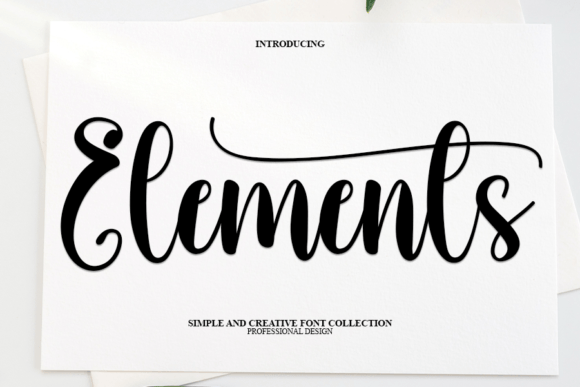
Elements: A Delicate Handwritten Font for Creative Expression
In a world where digital communication often feels impersonal, the right font can make all the difference. Elements, a delicate handwritten font carefully crafted for a cool and unique design, offers a fresh way to express creativity and personality. Whether you're designing invitations, branding products, or crafting titles, Elements brings a touch of elegance and individuality that stands out in a sea of standard fonts.
The Artistry Behind Elements
Elements is more than just a font—it's a visual signature. Designed with meticulous attention to detail, it captures the essence of handwritten script while maintaining clarity and readability. Each stroke and curve reflects a balance between artistry and function, making it ideal for both personal and professional use.
This font is particularly well-suited for those who value aesthetics as much as utility. Its delicate nature adds a sense of warmth and authenticity, which can be especially effective in creative fields like graphic design, marketing, and publishing.
Practical Benefits of Using Elements
One of the most compelling reasons to consider Elements is its ability to enhance the visual appeal of your work without compromising legibility. In a landscape dominated by sterile digital typography, Elements offers a refreshing alternative that can elevate your content and make it more engaging.
For instance, when creating wedding invitations, Elements can add a personal touch that feels handcrafted rather than mass-produced. Similarly, it can be used to label food products, giving them a unique and appealing identity that stands out on store shelves.
Another key benefit is how Elements supports creativity. It encourages designers and writers to think outside the box, offering a versatile tool that adapts to various formats and mediums. Whether you're working on a blog post, a social media graphic, or a product packaging design, Elements can help you communicate your message with style and substance.
Who Can Benefit Most from Elements?
Elements is particularly valuable for professionals and creators who prioritize visual storytelling. Entrepreneurs launching new brands may find it useful for logos and promotional materials, while educators might use it to create visually engaging lesson plans or handouts.
Freelancers and small business owners also stand to gain from Elements. It can be a powerful asset in branding efforts, helping to differentiate their offerings in a competitive market. Additionally, bloggers and content creators can leverage this font to make their posts more eye-catching and memorable.
For hobbyists and DIY enthusiasts, Elements offers an opportunity to infuse their personal projects with a unique flair. From handmade cards to custom labels, the font can transform simple ideas into meaningful expressions of creativity.
Real-World Use Cases
Consider a local bakery looking to revamp its packaging. By using Elements, they can create a cohesive brand identity that feels personal and authentic. The font's delicate lines and flowing curves can evoke a sense of care and craftsmanship, which resonates with customers who value quality and uniqueness.
Similarly, a freelance designer working on a client's website might use Elements for headlines or call-to-action buttons. This can draw attention and encourage user interaction, ultimately improving engagement and conversion rates.
In the realm of education, a teacher could use Elements to create visually appealing worksheets or flashcards. The font’s readability and aesthetic appeal can make learning more enjoyable for students, fostering a positive association with the material.
Limitations and Considerations
While Elements offers many advantages, it's important to consider its limitations. As a handwritten font, it may not be the best choice for long-form text or situations requiring high readability at smaller sizes. In such cases, pairing it with a more traditional sans-serif font can help maintain clarity without sacrificing style.
Additionally, Elements is best suited for specific applications rather than general use. For example, it may not be the ideal choice for technical documents or formal reports where consistency and professionalism are paramount. In these instances, it's worth comparing Elements with other fonts that align better with the intended purpose.
How to Get Started with Elements
Getting started with Elements is straightforward. Most font platforms offer free and paid versions, allowing users to choose based on their needs and budget. Once installed, the font can be applied across various software programs, including Adobe Photoshop, Illustrator, Canva, and even Microsoft Word.
It's recommended to experiment with different text styles and backgrounds to see how Elements looks in various contexts. This trial-and-error process can help you discover the best ways to incorporate the font into your workflow without overusing it.
For those new to font design, Elements serves as an excellent starting point. Its elegant yet approachable style makes it accessible to both beginners and experienced designers alike, offering a versatile tool that can be adapted to suit a wide range of creative needs.
Conclusion
Elements is more than just a font—it's a tool for expression, creativity, and connection. Its delicate design and unique character make it a standout option for anyone looking to add a personal touch to their work. Whether you're crafting invitations, branding products, or enhancing your digital presence, Elements has the potential to elevate your message and make it more memorable.