Brother Hood: A Font That Elevates Your Brand and Communication
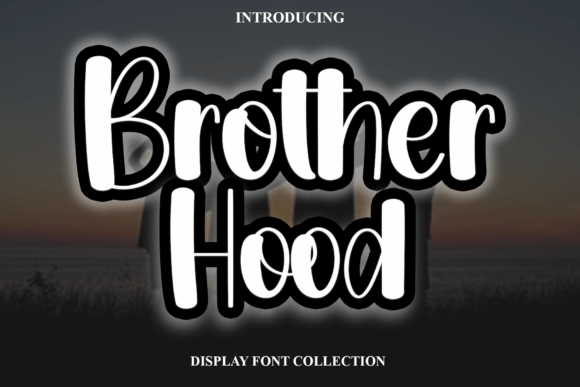
When it comes to visual communication, the right font can make all the difference. Brother Hood is more than just a stylish handwritten font—it's a strategic tool designed to enhance the clarity, impact, and personality of your projects. Inspired by timeless classic calligraphy, this font brings a contemporary atmosphere that balances elegance with approachability. Its impeccable form and varied structure make it ideal for both digital and print media, offering a versatile solution for creators who want to stand out without sacrificing readability.
The Strategic Value of Brother Hood in Branding and Communication
In an era where first impressions matter, Brother Hood offers a unique way to communicate your brand’s identity. Unlike generic sans-serif or serif fonts, this handwritten style adds a personal touch that resonates with audiences on a deeper level. It’s not just about aesthetics; it’s about creating a connection. Whether you're designing a logo, crafting marketing materials, or building a website, the right font can reinforce your message and build trust with your audience.
For professionals and entrepreneurs, Brother Hood can serve as a subtle yet powerful branding element. Its contemporary design aligns with modern sensibilities while maintaining a sense of tradition and craftsmanship. This balance makes it particularly useful for businesses that want to appear both innovative and trustworthy. When used thoughtfully, it can help differentiate your brand from competitors and create a memorable visual identity.
When to Use Brother Hood and How to Approach It
Understanding when to use Brother Hood is key to leveraging its full potential. This font excels in situations where a warm, inviting, and slightly informal tone is appropriate. Think about its applications in areas like:
- Marketing Collateral: Brochures, postcards, and promotional materials that require a friendly yet professional look.
- Website Headers: For headlines or taglines that need to grab attention while maintaining readability.
- Branding Elements: Logos, social media profiles, and other visual assets that reflect a brand’s personality.
- Printed Materials: Invitations, greeting cards, and creative content that benefits from a handwritten feel.
However, it’s important to consider the context in which you’re using Brother Hood. While its charm is undeniable, it may not be suitable for all types of content. For example, long blocks of text or formal documents should typically avoid this font due to its decorative nature. Instead, reserve it for short phrases, headings, or accent elements that complement rather than overwhelm the overall design.
Practical Tips for Using Brother Hood Intentionally
To ensure Brother Hood supports your goals rather than distracts from them, follow these practical tips:
- Define Your Purpose: Before applying the font, ask yourself what message you want to convey. Is it warmth, creativity, or professionalism? Choose the font based on the desired emotional response.
- Test in Context: Always preview how Brother Hood looks in the actual environment where it will be used. This includes different screen sizes, backgrounds, and color contrasts.
- Pair Thoughtfully: Combine Brother Hood with complementary fonts for body text to maintain legibility and visual harmony.
- Use Sparingly: Limit its use to key elements to avoid overwhelming the reader and to preserve its impact.
- Consider Accessibility: Ensure that the font is readable across different devices and platforms. Avoid overly stylized variations that may cause confusion.
Risks of Using Brother Hood Without Clear Goals
While Brother Hood has clear advantages, using it without a strategic purpose can lead to unintended consequences. One common risk is overuse, which can dilute its effectiveness and make your brand appear inconsistent. Another risk is misalignment with your target audience. If your audience prefers a more formal or minimalist aesthetic, a handwritten font may not resonate with them.
Additionally, relying on Brother Hood without considering the broader design context can result in a disjointed user experience. For instance, if your website uses this font for headers but defaults to a generic sans-serif for body text, the contrast may weaken the visual hierarchy and reduce readability.
It’s also worth noting that Brother Hood may not be the best choice for international audiences or multilingual content. Handwritten fonts often carry cultural connotations that may not translate well across different regions or languages.
Strategic Observations for Long-Term Results
When integrated into a broader strategy, Brother Hood can contribute to long-term success in several ways. First, it helps reinforce brand consistency by providing a recognizable visual signature. This consistency builds familiarity and trust over time, which is essential for customer retention and loyalty.
Second, Brother Hood can support your content marketing efforts by making your messaging more engaging and memorable. In an age where attention spans are short, a visually distinctive font can help your content stand out in a crowded digital landscape.
Finally, this font encourages creativity and experimentation. By choosing Brother Hood, you’re embracing a design philosophy that values artistry and individuality. This mindset can inspire innovation in other areas of your business, from product development to customer service.
Conclusion
Brother Hood is more than a font—it’s a strategic asset that can elevate your communication, strengthen your brand, and connect with your audience on a meaningful level. When used intentionally and with a clear purpose, it can support your goals, enhance your message, and drive better results. However, it’s important to approach it with care, ensuring that its use aligns with your overall strategy and objectives. By doing so, you’ll unlock its full potential and create a lasting impact in everything you do.